Seasonal Tourism Shifts and Bonus Activation Rates in Online Reel Systems
Tina Müller · Aug 2, 2026
Seasonal Tourism Shifts and Bonus Activation Rates in Online Reel Systems
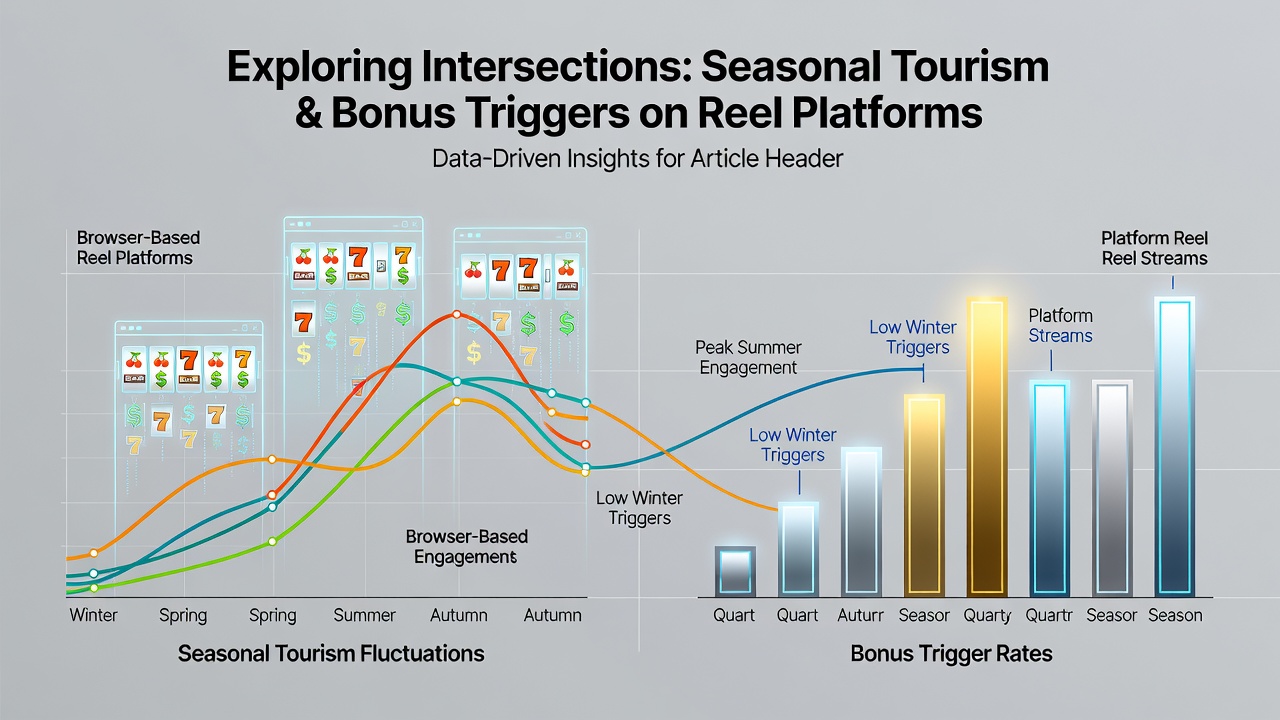
Browser-based reel platforms experience measurable changes in bonus trigger rates that align with seasonal tourism cycles across multiple regions, and researchers track these patterns through aggregated session data from operators in popular destinations. Tourism surges during summer months and holiday periods bring increased visitor numbers to areas with strong gaming infrastructure, which in turn correlates with shifts in how players interact with bonus features on mobile and desktop interfaces. Data collected from platforms operating in coastal and resort-heavy jurisdictions shows that bonus activation frequencies rise during peak tourist influxes, particularly in August 2026 when several North American and European markets recorded elevated session volumes.
Tourism Volume and Platform Activity Patterns
Studies from regional tourism authorities indicate that visitor arrivals in gaming-centric locations often spike between June and September, creating larger pools of potential users who access browser-based reels during travel. These visitors frequently engage through hotel networks or public Wi-Fi, and platform analytics reveal higher rates of bonus feature triggers compared to off-season months when local player bases dominate activity. Observers note that the influx includes both casual participants and those with established gaming habits, which contributes to varied trigger distributions across different game titles.
Figures from the U.S. Travel Association demonstrate that domestic and international arrivals in states like Nevada and New Jersey increased notably during the 2026 summer window, and operators reported corresponding upticks in reel session starts. The connection appears through metrics that link location-based IP data with bonus event logs, showing that tourists account for a disproportionate share of certain multiplier and free-spin activations during these windows.
Bonus Trigger Mechanisms Under Seasonal Pressure
Browser-based reel systems rely on random number generators calibrated to fixed probabilities, yet player volume and session length influence observed trigger outcomes in aggregate. When tourism drives higher concurrent users, the absolute number of bonus events climbs even if per-session probabilities remain constant, and analysts separate these effects by normalizing data against total spins. Research from academic groups at institutions studying digital entertainment economics has examined how extended play sessions common among vacationing users produce different feature activation clusters than shorter routine sessions typical of year-round participants.
During August 2026, several platforms documented bonus trigger rates that exceeded baseline averages by margins tied directly to tourism dashboards from destination marketing organizations. These patterns hold across multiple game categories, though titles with progressive elements show more pronounced shifts because cumulative player activity accelerates jackpot-related bonuses during high-traffic periods.
Regional Variations and Data Correlations
European markets exhibit parallel trends where summer tourism to Mediterranean gaming hubs coincides with elevated bonus engagement on browser platforms, and reports compiled by the European Gaming and Betting Association track these movements through operator-submitted statistics. In contrast, winter tourism peaks in ski destinations produce smaller but distinct spikes that affect different game libraries. Australian Bureau of Statistics tourism releases similarly highlight how holiday periods in coastal regions align with reel activity changes, allowing researchers to cross-reference visitor counts against platform telemetry.
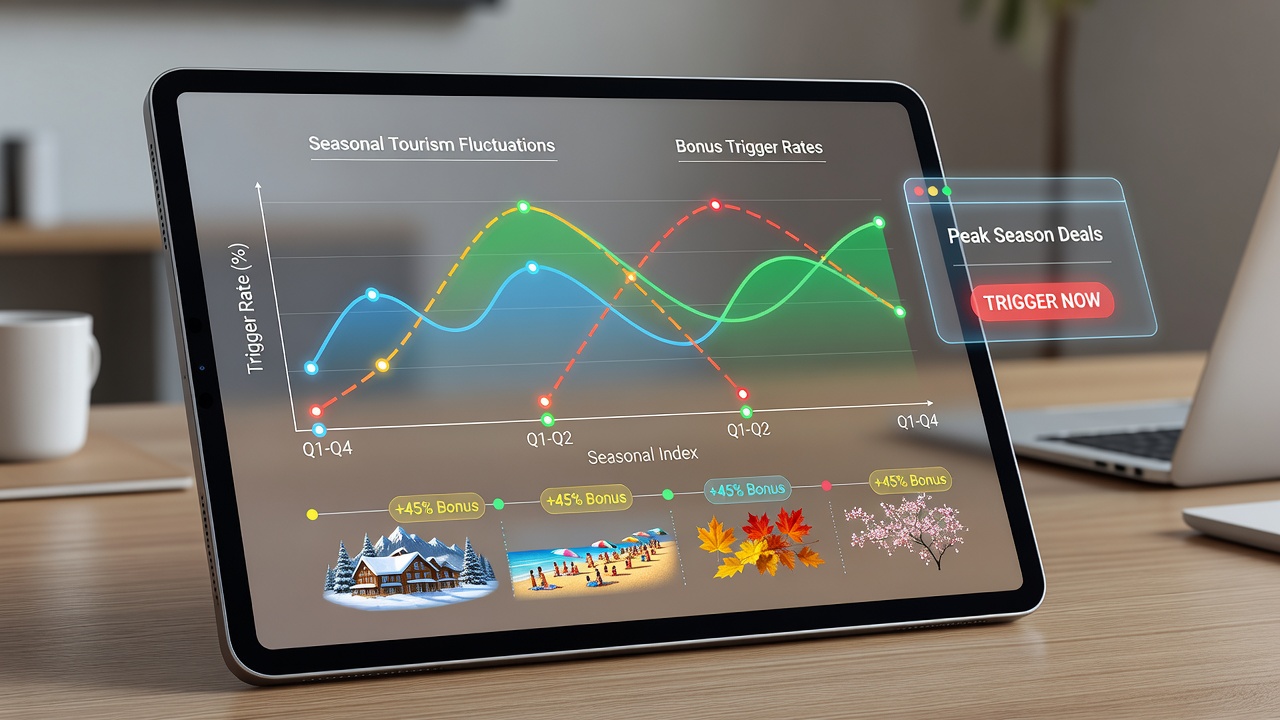
One analysis of North American browser traffic during 2026 found that states experiencing the largest summer visitor increases also posted the strongest gains in bonus feature completions, while shoulder seasons showed flatter correlations. Platform operators adjust marketing and feature visibility in response to these forecasts, although the underlying RNG parameters stay fixed and subject to jurisdictional testing requirements.
Player Demographics and Session Behaviors
Demographic data collected alongside tourism statistics reveals that transient users skew toward shorter initial sessions yet return for multiple visits within the same trip, which multiplies opportunities for bonus encounters. Researchers tracking age and origin cohorts note that international visitors often prefer established reel titles with familiar bonus structures, contributing to concentrated trigger activity in those categories. Domestic tourists display broader exploration patterns that distribute bonus events more evenly across the game catalog.
Cross-platform comparisons indicate that browser-based access during travel periods favors lightweight interfaces optimized for variable connectivity, and these sessions produce trigger rates comparable to native app usage when normalized for duration. Industry reports from the American Gaming Association compile such findings across member operators, providing standardized benchmarks that highlight seasonal deviations without attributing causation beyond volume effects.
Conclusion
Seasonal tourism fluctuations create observable intersections with bonus trigger rates on browser-based reel platforms through increased player volume and altered session characteristics, and ongoing data collection from multiple regulatory and research entities continues to map these relationships across regions. The patterns documented through 2026 underscore the value of integrating tourism metrics with platform analytics for accurate forecasting, while RNG integrity remains the constant factor governing individual outcomes. Future studies will likely refine these correlations as more granular location and timing data becomes available from both tourism boards and gaming operators.