Player Migration Patterns Between Brick-and-Mortar Venues and Virtual Platforms During Major Sporting Events
Drew Braun · Aug 18, 2026
Player Migration Patterns Between Brick-and-Mortar Venues and Virtual Platforms During Major Sporting Events
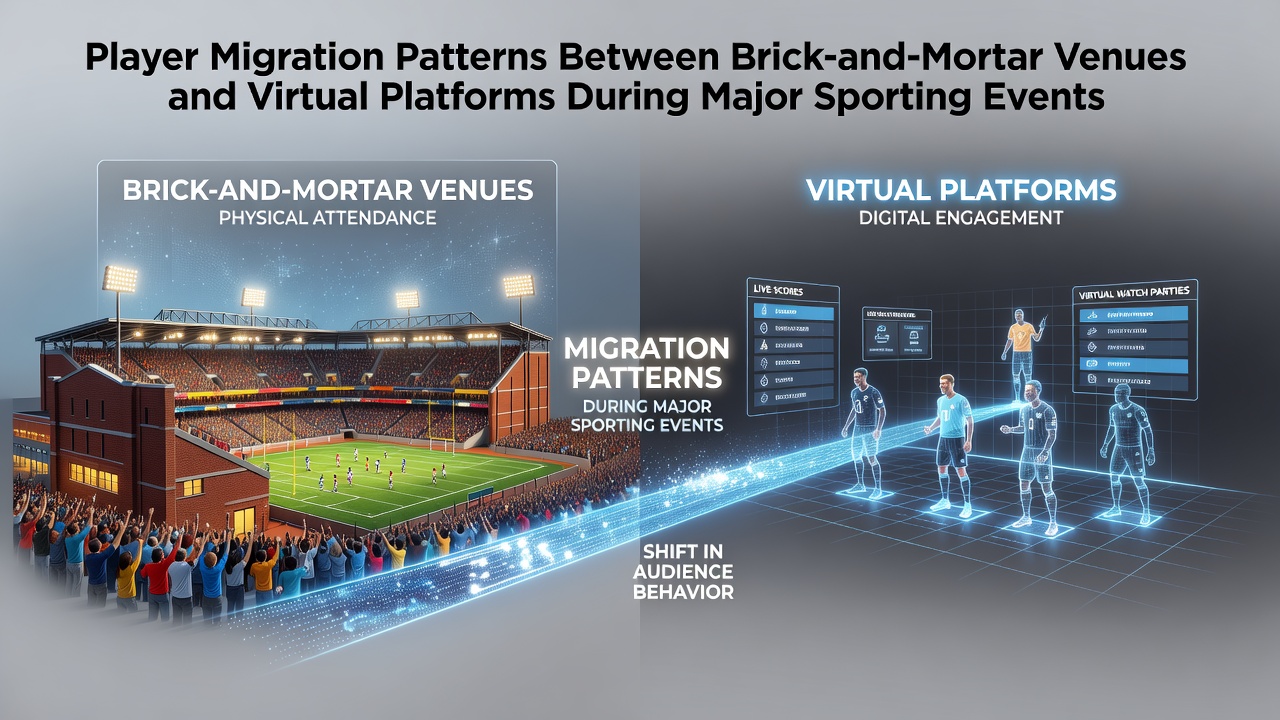
Player migration patterns shift noticeably when major sporting events unfold, as bettors move between physical casino floors and digital interfaces in response to convenience factors, event timing, and regulatory environments. Data collected across multiple jurisdictions shows increased activity on virtual platforms during high-profile matches, while brick-and-mortar venues experience steady foot traffic from those seeking communal viewing experiences.
Key Drivers of Movement During Peak Events
Observers note that convenience often dictates choices, with mobile apps allowing users to place wagers without leaving home during extended game schedules. At the same time, large sportsbooks in major cities report sustained crowds when events coincide with local festivals or viewing parties. Research from the American Gaming Association indicates that digital handle rises by measurable percentages during the Super Bowl period, whereas land-based properties maintain consistent table game volumes through group attendance.
Regulatory differences across regions further shape these flows, since some states limit online options and push activity toward licensed physical sites. In contrast, areas with expanded iGaming frameworks see smoother transitions as users switch between channels based on promotional offers tied to specific matches. Figures released in August 2026 from Canadian provincial regulators highlighted parallel increases in both sectors when international tournaments overlapped with domestic sports calendars.
Event-Specific Trends and Data Insights
During the FIFA World Cup cycle, analysts tracked elevated virtual platform usage in the opening weeks when multiple matches aired simultaneously across time zones. Later stages drew more participants back to brick-and-mortar locations for shared atmosphere and larger screens. A study conducted by the Australian Gambling Research Centre documented these oscillations through transaction logs, revealing that session lengths on mobile devices shortened during live events while average wager sizes remained stable across formats.
European markets demonstrate similar patterns, with operators noting spikes in app downloads ahead of championship finals. Yet physical venues in tourist-heavy cities retained core patronage from visitors who combined betting with on-site entertainment. Data compiled by the European Gaming and Betting Association shows that cross-platform loyalty programs encourage users to sample both environments without committing exclusively to one.
Regional Variations in Participation
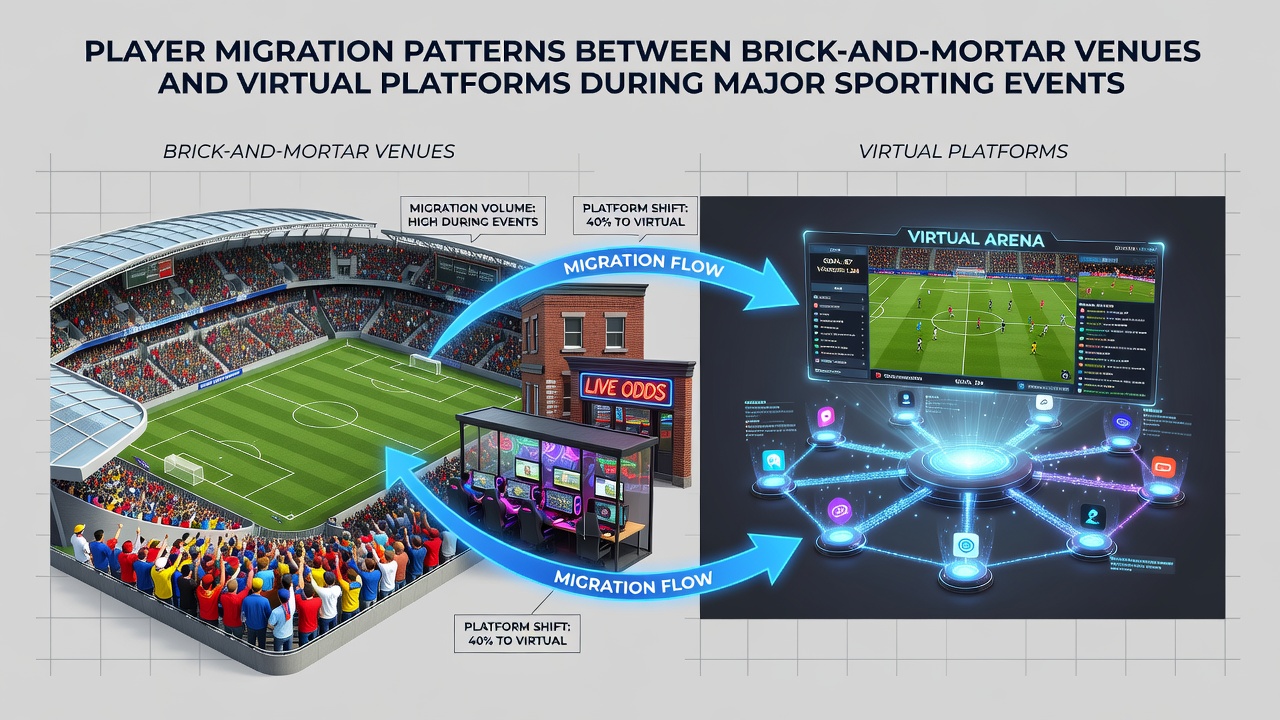
North American patterns reveal stronger digital uptake in states that recently authorized online sportsbooks, whereas established casino markets continue to attract in-person crowds. Asian jurisdictions with strict physical licensing report higher reliance on virtual options when events occur outside traditional operating hours. Researchers at the University of Nevada, Las Vegas documented these geographic distinctions through anonymized player data, confirming that event type influences migration direction more than overall market maturity.
Payment method availability also plays a role, since certain digital wallets integrate faster with online platforms during time-sensitive betting windows. Land-based facilities counter this by offering integrated kiosks that mirror app functionality. Observers tracking August 2026 tournament periods found that venues adopting hybrid terminals retained a larger share of hybrid users who alternated between environments within the same day.
Technological and Promotional Influences
Live streaming integration on virtual platforms reduces the need to visit physical sites for real-time updates, yet many operators now provide synchronized experiences that reward users for visiting both channels. Bonus structures tied to event outcomes appear across formats, encouraging experimentation without permanent shifts in preference. Industry reports emphasize that push notifications and location-based alerts on mobile devices create temporary surges in digital activity that later balance out once events conclude.
Conclusion
Overall migration remains fluid rather than one-directional, with data indicating that users frequently combine both venue types depending on event phase, location constraints, and available incentives. Continued monitoring by regulatory bodies and research institutions will clarify how these patterns evolve as technology and legislation develop in parallel across global markets.