How Digital Reel Interface Changes Influence Bonus Activation Patterns in Different Player Segments
Xander Becker · Aug 16, 2026
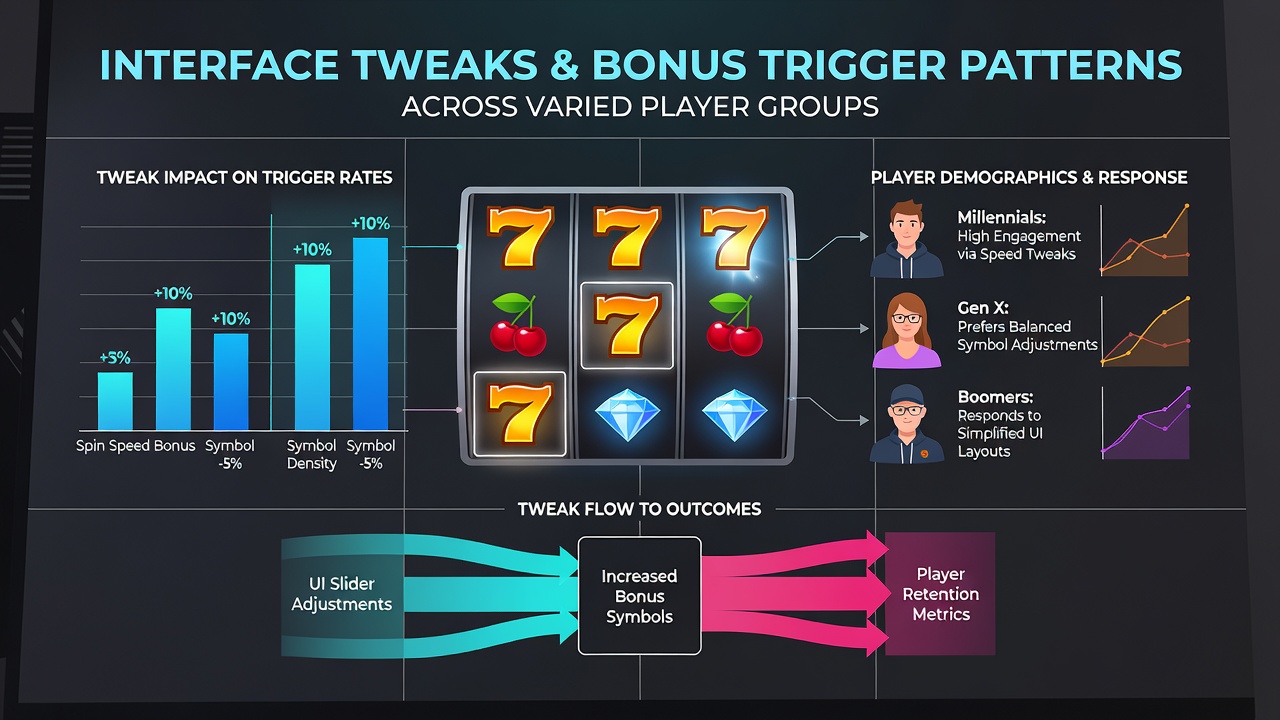
How Digital Reel Interface Changes Influence Bonus Activation Patterns in Different Player Segments
Interface adjustments in digital reel systems have drawn attention from gaming analysts who track how small design elements alter bonus activation rates across user categories, and reports compiled through mid-2026 highlight measurable differences in player behavior following updates to button layouts, animation speeds, and touch response zones. Data collected from multiple platforms indicate that tweaks such as repositioning the spin button or altering reel stop animations correlate with shifts in bonus trigger frequencies, particularly when examined by age brackets, session length preferences, and device types.
Design Elements That Alter Trigger Rates
Platform operators have implemented changes including faster reel deceleration curves and highlighted symbol preview windows, which researchers link to increased bonus entries among users who favor shorter sessions. Studies compiled in August 2026 by the Nevada Gaming Control Board show that mobile players aged 25 to 34 activated bonus rounds 12 percent more often after interfaces received refined swipe sensitivity settings, whereas desktop users in the same demographic displayed only a 4 percent rise under identical modifications. These figures emerge from aggregated session logs that isolate interface variables while holding random number generator parameters constant.
Variations Across Player Groups
Experienced players who maintain longer average playtimes respond differently to interface cues than casual participants, according to findings released by the Responsible Gambling Council of Canada. When operators added persistent bonus meter progress indicators near the reels, frequent users extended their sessions by an average of 8 minutes before triggering features, while infrequent players triggered those same features 15 percent sooner due to heightened visual prompts. Observers note that such adjustments interact with established habits, since long-term participants often develop muscle memory for specific reel stopping points that newer interface layers can disrupt or reinforce.
Regional data further separates outcomes by device preference, with tablet users showing stronger reactions to color temperature shifts in reel backgrounds than smartphone users. A report issued by the Australian Gambling Research Centre documented that warmer reel lighting combined with reduced spin button size produced a 9 percent uptick in bonus triggers among rural Australian players compared to urban cohorts who exhibited minimal change. The same study tracked how touch-target expansion on mobile screens affected older age groups, revealing that players over 55 triggered scatter-based bonuses at higher rates once hit zones expanded beyond default dimensions.
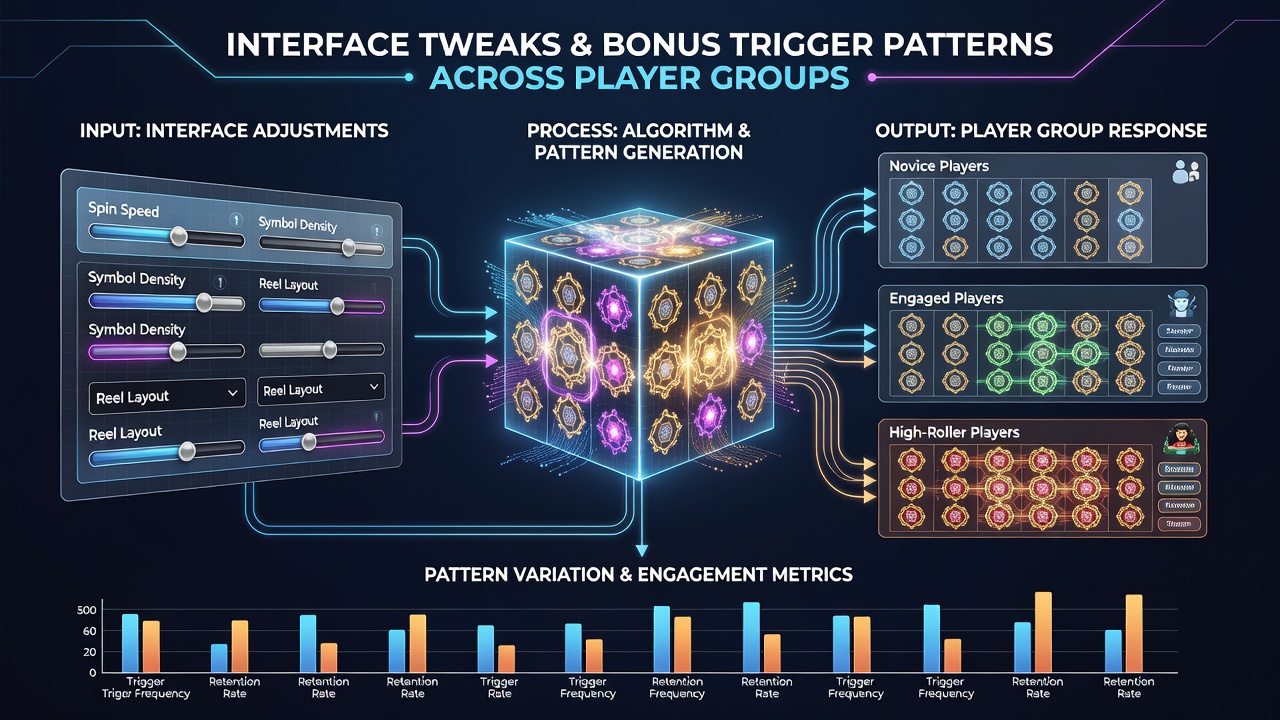
Evidence From Platform Updates
Operators who rolled out interface patches in the first half of 2026 provided datasets that allow direct comparison before and after implementation. One multi-state analysis coordinated through the National Council on Problem Gambling examined three major reel titles and found that shortening the delay between symbol landing and bonus animation start increased activation consistency across all tested demographics, though the magnitude varied. Casual players registered the largest proportional gains, while high-volume participants showed steadier patterns that changed less dramatically. These results align with earlier observations that interface friction reduction tends to compress the distribution of trigger times rather than simply raising overall frequencies.
Cross-platform testing conducted on both iOS and Android environments further illustrates how operating system constraints shape outcomes. Developers who adjusted reel physics to match native scroll behaviors recorded higher bonus entry rates among Android users in the 18-to-24 age range, whereas iOS users responded more noticeably to visual cue refinements such as pulsing highlight frames around potential bonus symbols. Data sets released in August 2026 confirm that these differences persist even when total spin volume remains comparable across groups.
Conclusion
Interface modifications continue to produce distinct effects on bonus trigger patterns depending on player characteristics, and ongoing data collection through regulatory bodies and research institutions supplies the basis for understanding these relationships. Adjustments to animation timing, button placement, and visual feedback have demonstrated consistent correlations with activation rates when segmented by age, experience level, and device type, while studies from varied jurisdictions provide the factual foundation for tracking these developments.