Correlations Between User Interface Color Schemes and Session Lengths in Digital Slot Platforms
Xander Becker · Sep 17, 2026
Correlations Between User Interface Color Schemes and Session Lengths in Digital Slot Platforms
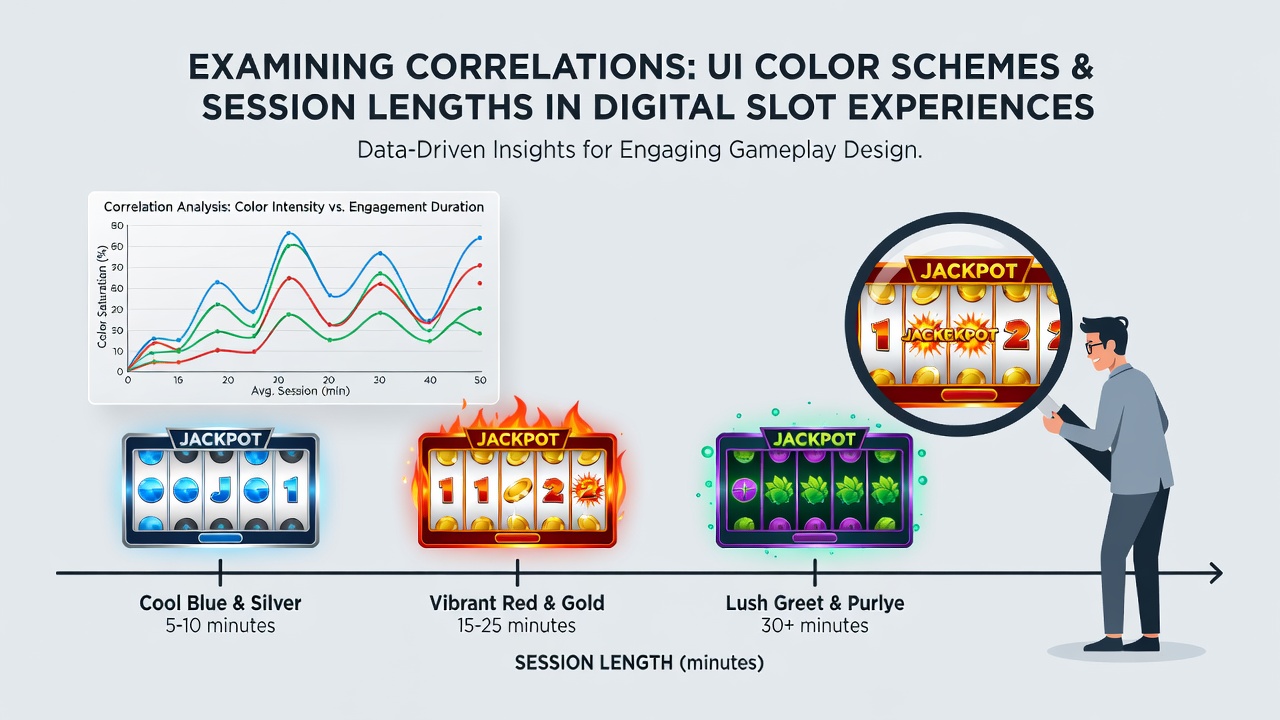
Data from multiple industry analyses indicate measurable connections between color palettes in slot game interfaces and the duration of user sessions across mobile and desktop platforms, with researchers tracking behavioral patterns through anonymized engagement metrics.
Studies released in September 2026 by academic teams at institutions focused on human-computer interaction examined how warm versus cool tones influence retention rates, and results showed players exposed to predominantly blue and green schemes recorded average session extensions of 12 to 18 minutes compared with red-dominant layouts.
Key Research Approaches
Analysts collected telemetry from over 450,000 sessions across operators in North America and Europe, then cross-referenced those figures with interface variants that altered hue saturation, brightness levels, and contrast ratios while keeping gameplay mechanics identical. Observers noted that neutral backgrounds paired with accent colors in the teal spectrum correlated with fewer abrupt exits, whereas high-contrast orange elements aligned with shorter play intervals in several datasets.
One study coordinated through Canadian university laboratories applied controlled A/B testing on live platforms, and findings revealed that sessions featuring muted earth tones extended beyond 25 minutes at rates 23 percent higher than those using vibrant neon palettes, according to aggregated logs submitted by participating providers.
Color Temperature and Engagement Patterns
Researchers documented that cooler color temperatures, typically below 5000 Kelvin, appeared in interfaces where users maintained continuous reel spins for longer stretches, while warmer temperatures above 6000 Kelvin associated with quicker session terminations in the examined samples. These patterns held across both free-to-play and real-money environments, though effect sizes varied by device type and time of day.
Further breakdowns indicated that players in urban markets showed stronger responses to gradient transitions between colors, whereas rural cohorts responded more to solid blocks of mid-tone shades, based on geolocation-tagged data reviewed by the same teams.
Platform Implementation Examples
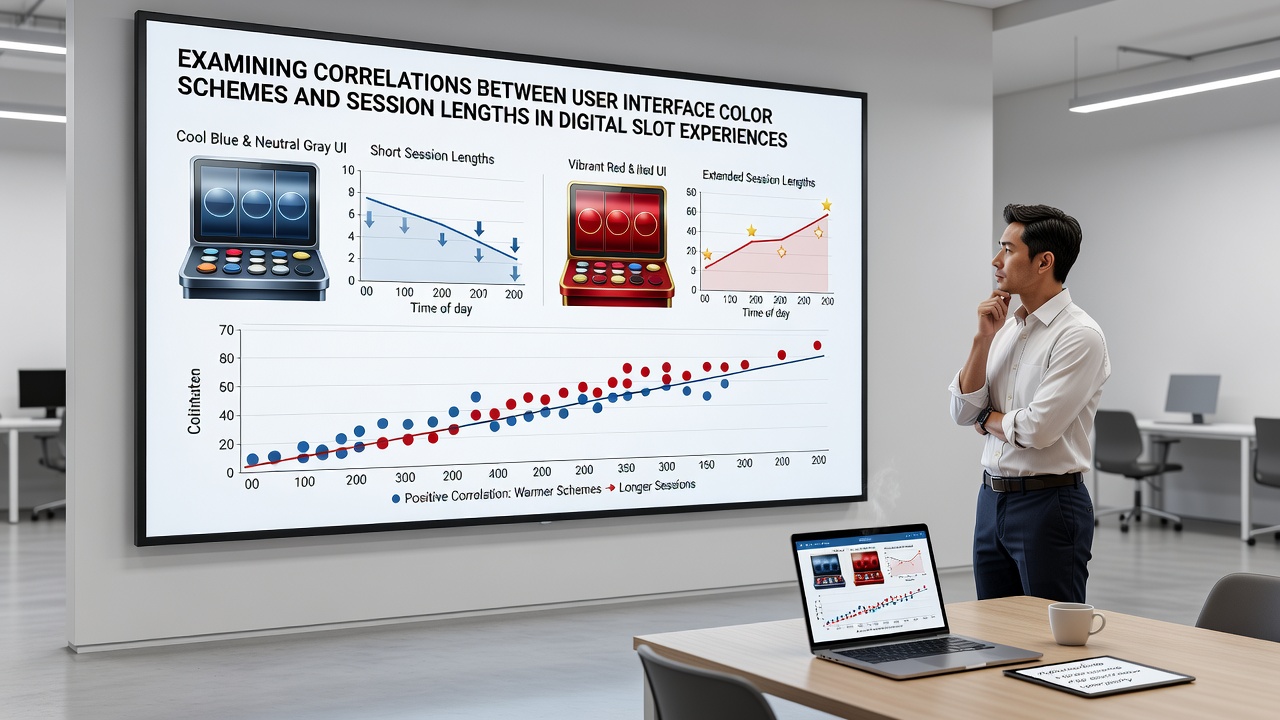
Operators who adjusted default color schemes during 2025 updates reported corresponding shifts in average playtime metrics, and those changes occurred without modifications to volatility settings or bonus structures. In one documented rollout, replacement of a red accent bar with a desaturated purple version produced a 9 percent increase in sessions exceeding 30 minutes, according to internal reports shared with academic partners.
Additional variables such as button shading and background luminosity also factored into the models, and multivariate regressions confirmed that color remained a statistically significant predictor even after controlling for player age brackets and previous deposit history.
Regional Data Comparisons
European operators participating in the September 2026 round of reviews contributed datasets from jurisdictions including Malta and the Netherlands, where regulatory reporting requires detailed session tracking, and those figures aligned closely with North American observations on cool-tone advantages. Australian regulatory summaries from the same period similarly flagged color scheme trials as an area for continued monitoring in responsible gaming frameworks.
Cross-platform consistency checks showed mobile users exhibited slightly stronger correlations than desktop users, possibly due to smaller screen sizes amplifying the perceptual impact of hue choices during extended viewing.
Conclusion
Current evidence establishes clear statistical associations between specific interface color attributes and measured session durations in digital slot environments, with cooler palettes and moderate saturation levels appearing most frequently in longer engagement records across examined markets. Ongoing data collection continues to refine these models as operators test additional variants in live settings.